Stray
dogs need to be held for 6 days to allow time for
their owners to claim them. If its owner does not
claim a dog they will be available for adoption. We
are looking for lifelong responsible homes for
these wonderful pets.
ADOPTION
FEES FOR ALL DOGS
Dogs
7 months of age & over - $275
Dogs
6 months of age & under -
$375
(unless
otherwise stated)
This will include spaying
or neutering, vaccinations, and 4DX
testing.
If
you have other pets in your household, bring them along
to meet their new companion before
adoption.
****Ages
of dogs are estimates unless previous owners inform us as to
correct age.****
If
you want to receive an Adoption Application, email
ddougherty64@icloud.comand
you will receive a pdf form. Complete the application and
email the application to
jabmhs@yahoo.com
or
drop it off at the
helter.
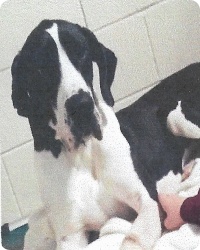
Jaspar
MEET JASPAR– OUR
GENTLE GIANT!
Sometimes bigger really is better every
single day. Jaspar is a Great Dane looking
for her forever home! – Jaspar –
approx. 3 years old, ~140 lbs. Just take a
look at her… and yes, he is every bit as
big as he looks! he came to us from a breeder
situation and is still learning what it means
to be part of a home. he is big, goofy, sweet
dog who is discovering affection, routine,
and the good life one day at a time.The
Details:
Spayed/Neutered
Vaccinated
Microchipped
4DX tested
PLEASE READ – GIANT BREED
RESPONSIBILITY
he is not just a “large
dog”… he is a GIANT Jaspar is
around 120 lbs
That means:
he will take up a LOT of space (your
couch is now her's)
Food, vet care, and supplies are more
expensive
he is strong and requires confident
handling
Counters, tables, and anything within
reach are fair game
Everything is scaled up—beds,
crates, messes… and LOVE !
What he need:s
Homes prepared for giant breed
ownership
Patience as they continue learning
life outside of a breeder setting
Continued work on housebreaking
Structure, consistency, and
guidance
Families ready for goofy personalities
in extra large bodies
They do walk on leash, but like many
dogs without traditional home experience,
they’ll need continued training and
support.
Jaspar is truly a special dog who just
needs someone willing to give her the time
and understanding he deserves. Watching her
learn how to “just be a dog” has
been incredible—and now it’s her
turn to find a home of her own.
Message us on Facebook or call
518-725-0115. Applications and meet &
greet available during normal business hours.
Please be sure you are fully prepared for the
commitment of a giant breed before
applying.
Big dogs… even
bigger hearts
MEET RUSTY & COPPER!
Two puppies. Twice the cuteness. Plenty of
puppy chaos! Rusty and Copper are adorable
Pittie/Hound mixes around 4 months old, and
these boys are ready to find their forever
homes! They are sweet, playful, curious,
affectionate, and FULL of puppy energy.
They’re at that wonderful age where
everything is exciting — toys, treats,
people, adventures…and probably a few
things you wish they weren’t quite so
interested in. Puppies are amazing. You get
to watch them discover the world, teach them
new things, build their confidence, and see
their personalities develop. There’s
nothing quite like puppy kisses, zoomies,
goofy sleeping positions, and having a little
shadow following you around the house. But
let’s remember the other side of
puppyhood…
Puppies are WORK!
Rusty and Copper will need adopters
prepared for housebreaking, leash training,
basic obedience, socialization, exercise,
structure, consistency and plenty of
patience. There may be chewed shoes. There
may be accidents. There will almost certainly
be moments when you wonder how something so
cute can cause so much trouble in five
minutes.
The work you put into a puppy now helps
create the wonderful adult dog you’ll
have for years to come.
Rusty & Copper are:
Neutered
Vaccinated
Microchipped
4DX tested - and Professionally
trained in being ridiculously cute
These guys are looking for families ready
to embrace ALL of puppyhood — the
cuddles, the chaos, the training, the
laughter and the unconditional love.
If you’re ready to put in the time
and help one of these handsome boys grow into
the best dog he can be, come meet Rusty and
Copper and fill out an adoption
application!
They’re ready to grow up with a
family of their own.
Lark
Meet Lark — a tiny
girl learning a whole new way of life.
Lark is a 1–2 year old Poodle mix
weighing only about 10 pounds, and she’s
looking for a very special kind of home
— one with patience, understanding, and
plenty of love. Lark came to us after being
surrendered from a breeding situation, and
the things most dogs learn as puppies are
still brand new to her. Living in a home,
walking on a leash, housebreaking, snuggling
on the couch, and simply understanding what
it means to be part of a family are all
things she still needs to learn. She
isn’t going to walk into a new home
knowing exactly what to do. She may have
accidents. The leash may seem strange. New
sights, sounds, and experiences may take some
getting used to. But that’s where her
person comes in.
Lark needs someone willing to give her
time instead of expectations and celebrate
the little victories along the way. The first
confident steps on a leash. The first time
she seeks you out for attention. The first
time she realizes that this is her home and
these are her people.
For the right person, watching this little
girl discover the life she should have always
known is going to be incredibly
rewarding.
Lark is:
spayed
vaccinated
microchipped
4DX tested and ready to start her next
chapter.
If you have a quiet place in your home,
some patience in your heart, and room for a
10-pound work in progress, come meet
Lark.
Sometimes the dogs who need a little extra
time end up becoming the ones who mean the
absolute most.
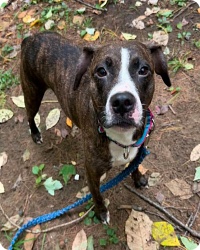
Dixie Ann
Meet Dixie Ann — 40
Pounds of Pure Sweetness!
Some dogs just have a way of melting your
heart with one look, and Dixie Ann is
definitely one of them! This beautiful
brindle girl is 3 years old, weighs just
under 40 pounds, and is as sweet as can be!
But Dixie Ann has so much more to offer than
just a pretty face! She’s successfully
lived with other dogs AND children, making
her a wonderful candidate for a family
looking to add a four-legged member. At 3
years old, she’s past those wild puppy
stages but still young enough for plenty of
adventures, playtime, and snuggles!
Dixie Ann is:
spayed
vaccinated
microchipped
4DX tested — all she’s
missing is a family to call her own!
We think Dixie Ann is going to make one
lucky family incredibly happy!
Stop by the shelter during our regular
business hours to meet this sweet girl and
fill out an adoption application!
Please share! Dixie Ann’s forever
family might be just one share away!
Tank
MEET TANK — 85 POUNDS
OF PURE PERFECTION!
Some dogs are just the whole package, and
Tank is one of them!
This handsome 4-year-old hunk weighs in at
about 85 pounds, and we think he’s
pretty much perfection in a fur coat!
Tank isn’t just a pretty face,
either! This big, lovable guy knows his basic
commands and has reportedly lived with
children and been around other dogs.
He’s got the looks, the brains, and a
whole lot of love to give! What’s not to
love?
Tank is:
Neutered
Vaccinated
Microchipped
4DX tested
Big dog lovers, this one’s for you!
If you’ve got room in your home and your
heart for 85 pounds of handsome, come meet
Tank! We have a feeling this boy is going to
steal some hearts! Stop by the James A.
Brennan Memorial Humane Society to meet Tank
and fill out an adoption application!
Please share and help this handsome boy
find his forever family!
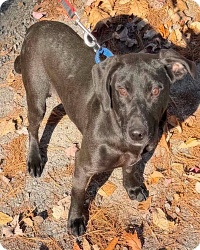
BRUCE IS READY TO STEAL
YOUR HEART!
Meet Bruce, an adorable 8-month-old Lab
mix weighing in at just 27 pounds of pure
sweetness! This handsome little guy is the
perfect combination of snuggles, silliness,
and PUPPY ENERGY! Bruce has plenty of love to
give, a whole lot of enthusiasm for life, and
absolutely no idea how cute he is!
Bruce has previously lived with multiple
other dogs, so he’s no stranger to
having canine companions. ?? His feelings
about cats are still a mystery!
At just 8 months old, Bruce is looking for
a family ready to embrace all the fun,
adventures, and occasional puppy shenanigans
that come with raising a youngster.
Bruce is:
Neutered
Vaccinated
4DX tested
Microchipped
Seriously, just look at that face! How
could anyone resist?! Stop by the shelter and
meet Bruce! This sweet boy is ready to find
his forever family.



-horz.gif)